 August 10, 2023
By Daniel Cohen
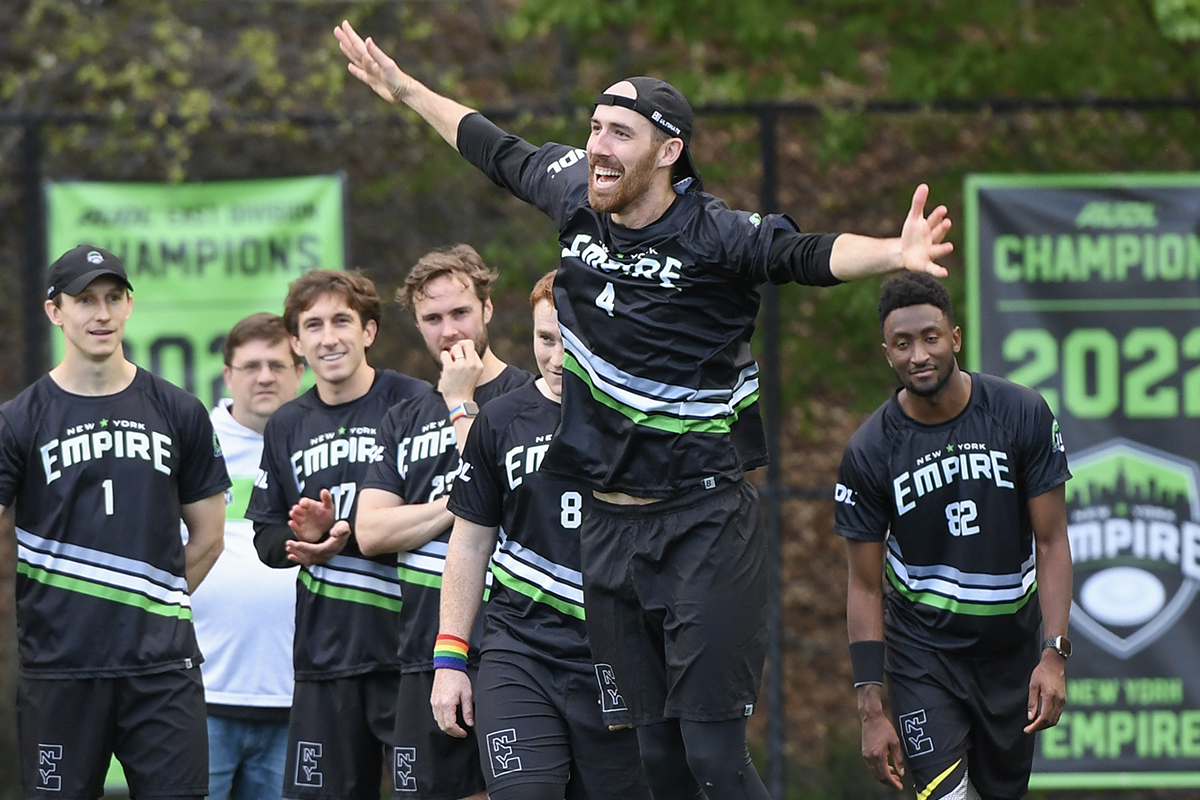
Get primed for this weekend with offensive and defensive grades for all eight remaining teams, based on their projected starting lineups for the divisional championship round. These lineup projections were made based on recent trends, player usage throughout the season, and current active rosters.
Teams and lineups listed alphabetically.
Atlanta Hustle
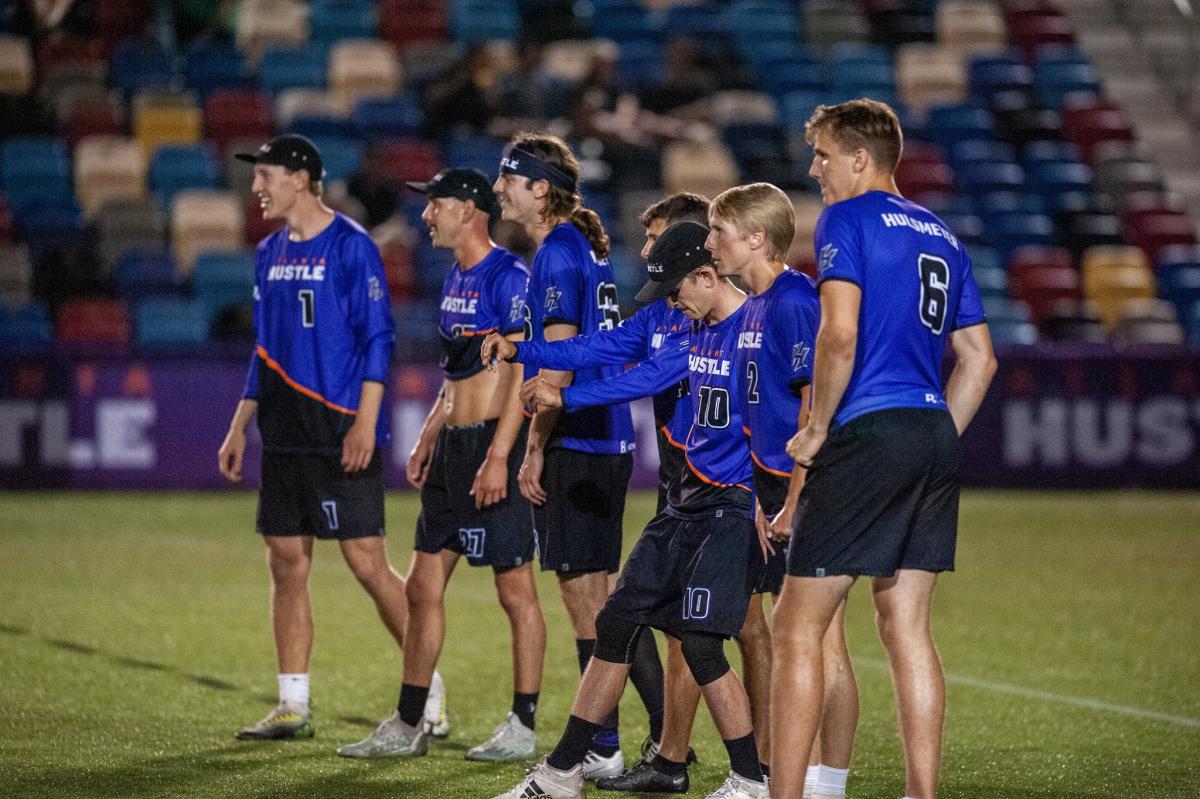
Projected starting O-line: Liam Haberfield, Brett Hulsmeyer, Bobby Ley, Christian Olsen, Matt Smith, Austin Taylor, Max Thorne
This O-line is the group we mostly saw in Week 12, when Atlanta ran through Carolina and coasted to a 25-19 victory to clinch the one seed in the South. Bobby Ley and Austin Taylor continue to form one of the more formidable deep-throwing duos in the league, while the rookie Liam Haberfield has been a perfect addition to the cutting/hybrid core. There’s a lot of balance on this offense with the right mix of explosiveness and “possession ball,” often making it hard to predict their approach to any given point. This is the third most efficient offense in the league, and they’ve been right up there for the bulk of the season.
Grade: A
Projected starting D-line: Justin Burnett, JP Burns, Mike Kobyra, Jeremy Langdon, Jakeem Polk, Dean Ramsey, Bradley Seuntjens
It’s hard to pinpoint a true starting seven on the Hustle defense due to two-way nature of a lot of these guys—Langdon, Ramsey, Hulsmeyer, Freystaetter, Austin-Knab, etc. have played plenty of offense this year—but this D-line runs deep and comes in many different shapes and sizes. This group boasts several one-on-one playmakers, and they showcase loads of chemistry when running their zone schemes. All-in-all, this is an exhausting squad to play against.
Grade: A
Austin Sol
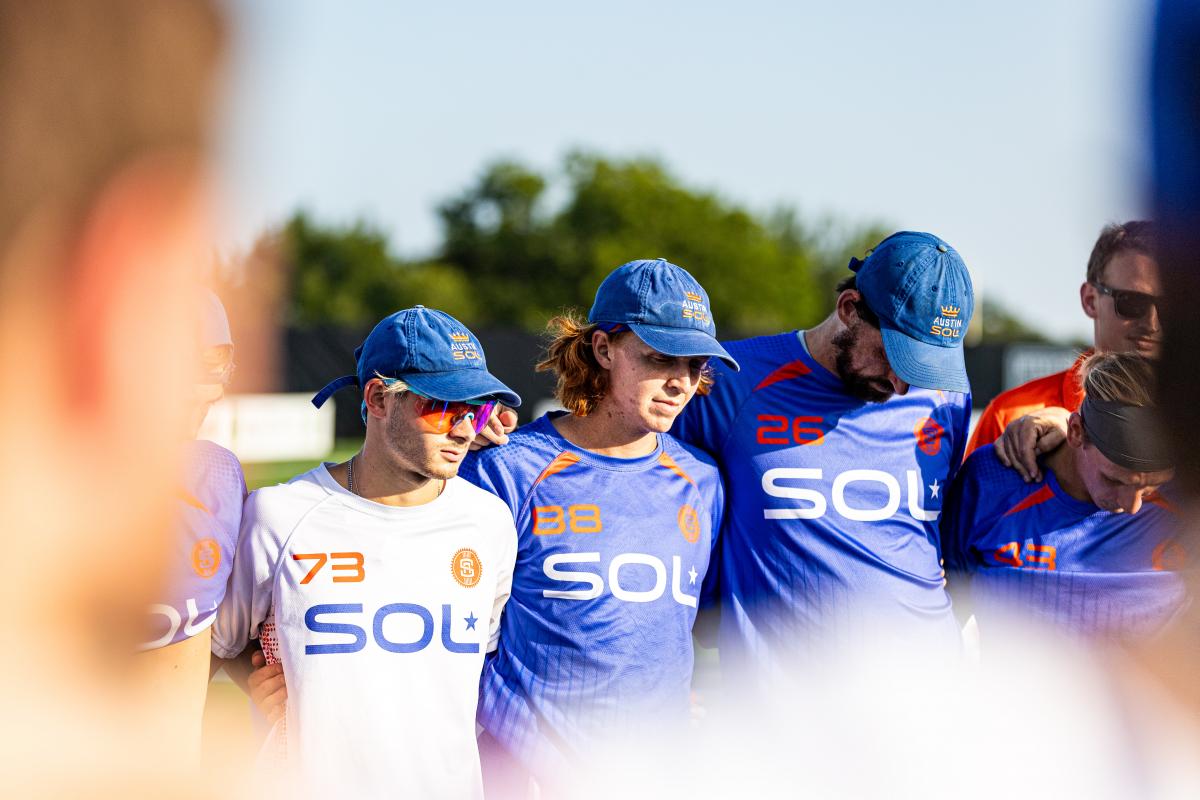
Projected starting O-line: Noah Chambers, Mark Evans, Duncan Fitzgerald, Kyle Henke, Jake Radack, Evan Swiatek, Zach Slayton
While some of the six and seven spots have rotated a bit throughout the year, the core of this O-line has largely stayed the same this season. The above seven is the most recent group we saw in Austin’s first round playoff game against Carolina, and it produced mixed results. Generally speaking, there’s a lot to like about a line that features an explosive spread attack, several playmaking hybrids, and quick handler motion, but due to their high volume of hucks, they haven’t been able to hit the same peak efficiency levels we’re seeing from other playoff teams; this group has yet to finish a game with an offensive conversion rate above 60 percent this season.
Grade: B
Projected starting D-line: Matt Armour, Brandon Dial, Oliver Fay, Mark Henke, Jackson Potts, Mick Walter, Joey Wylie
The defense has been the strength of the Sol this season, but with all of the games they’ve played against the bottom of the South Division, it’s been tough to get a true sense of where they rank this year. Still, the collective talent across both of their primary D-lines is undeniable, and they converted 7-of-8 breaks in their most important game of the season last week against the Flyers. With tight defense at all levels of the field and crafty playmakers, the Sol defense can wear opponents down over the course of a game and set up strong finishes in the third and fourth quarters.
Grade: A-
DC Breeze
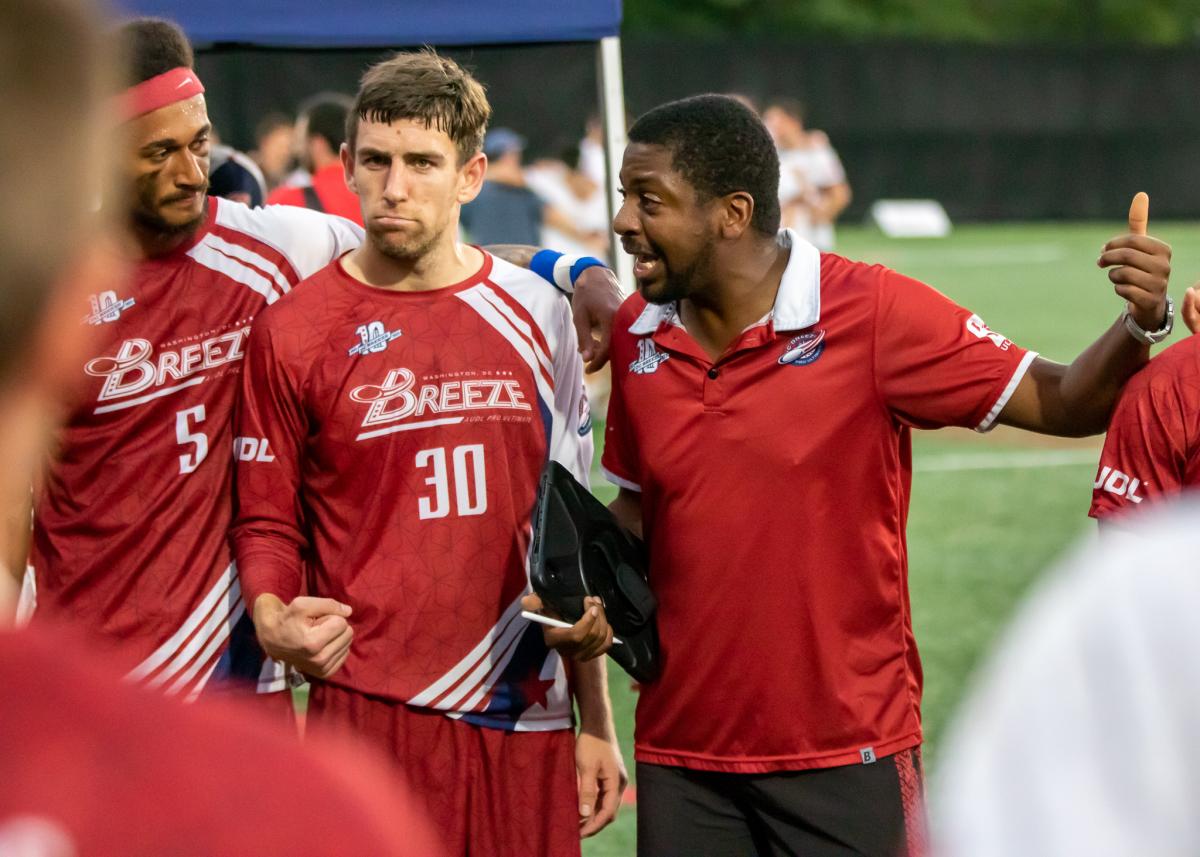
Projected starting O-line: Christian Boxley, Jonny Malks, Rowan McDonnell, Tyler Monroe, Jacques Nissen, Ben Oort, Andrew Roy
Obviously this DC Breeze offense runs more than seven players deep, but these guys have typically been the staples whenever they’ve been active in recent weeks. When it comes to flowiest-looking offenses, DC ranks near the top of the league with their ability to seamlessly rotate their guys in and out of the backfield throughout a point. The Andrew Roy addition this season has been a perfect fit for the small ball based system, while Ben Oort and the always-consistent Christian Boxley have added new dimensions to DC’s deep game. Jonny Malks and Roy are certainly the anchors of this line from a touch volume standpoint, but any one of these seven are capable of 30-plus completion, five-plus score games.
Grade: A+
Projected starting D-line: David Bloodgood, David Cranston, Moussa Dia, Thomas Edmonds, Alexandre Fall, Charlie McCutcheon, AJ Merriman
Several others not mentioned above deserve recognition, so let’s start by saying Rhys Bergeron, Troy Holland, Joe Merrill, Luke Rehfuss, and Jasper Tom make this one of the deeper D-line rotations in the entire league. They’ve got everything a good defense needs: size, speed, athleticism, depth, and offensive weapons after turnovers. The only thing keeping them from an A+ is their below-average takeaway rate—their 9.5 blocks per game rank bottom 10 in the league—but they’ve still managed to close out games on numerous occasions throughout the season due to an incredibly efficient counterattack.
Grade: A
Indianapolis AlleyCats
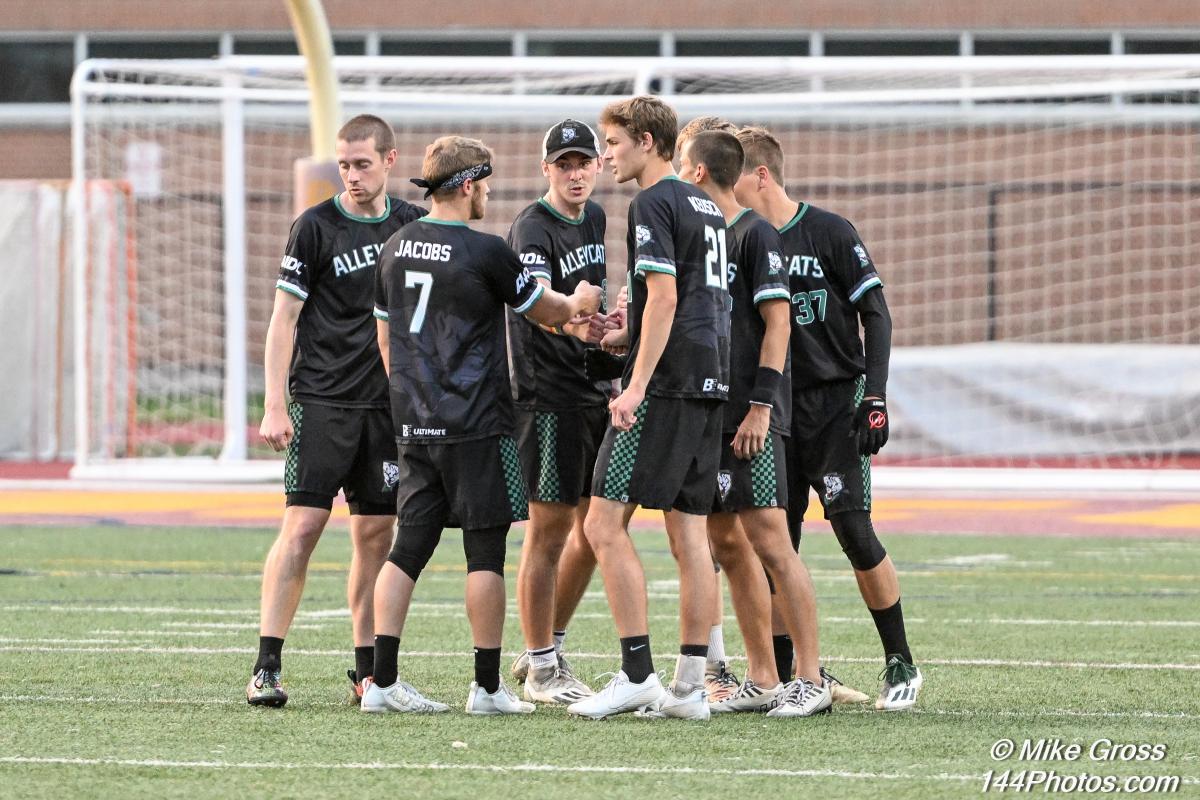
Projected starting O-line: Cameron Brock, Travis Carpenter, Rick Gross, Levi Jacobs, Jeremy Keusch, Keegan North, Xavier Payne
These grades are in the context of all teams across the league, but if they were in the context of just the Central Division, Indy would be graded firmly in the A-range. This is a group that’s converted 60 percent or better in eight of their 13 games, and they’ve placed a new emphasis this year on taking care of the disc; traditional gunslingers like Levi Jacobs, Keegan North, Xavier Payne are being a lot choosier with their shots this season, which has Indy operating at the fifth-highest offensive efficiency rate in the league. Cam Brock, Rick Gross, and Jeremy Keusch continue to grind in the intermediate and deep levels, while the disc-movers of the line are content to swing sideline to sideline until 100 percent throws open up downfield.
Grade: B+
Projected starting D-line: Jeremiah Branson, Ben Close, Jacob Fella, Fletcher Hare, Nick Hutton, Will Quigley, William Wettengel
The AlleyCats D-line set an AUDL single-season record in 2022 by converting a ridiculous 66 percent of their break chances, and while they’ve come down to earth a bit this year, they still rank second in the league this year at 55.9 percent. Jeremiah Branson has been a strong addition to the D-line offense, and the unit now has a few more block-getters in rookies Will Wettengel and Will Quigley. While they still rank in the bottom half of the league in takeaways, the ‘Cats had six games this year with double-digit block totals; they had just three such games last season.
Grade: B
Los Angeles Aviators
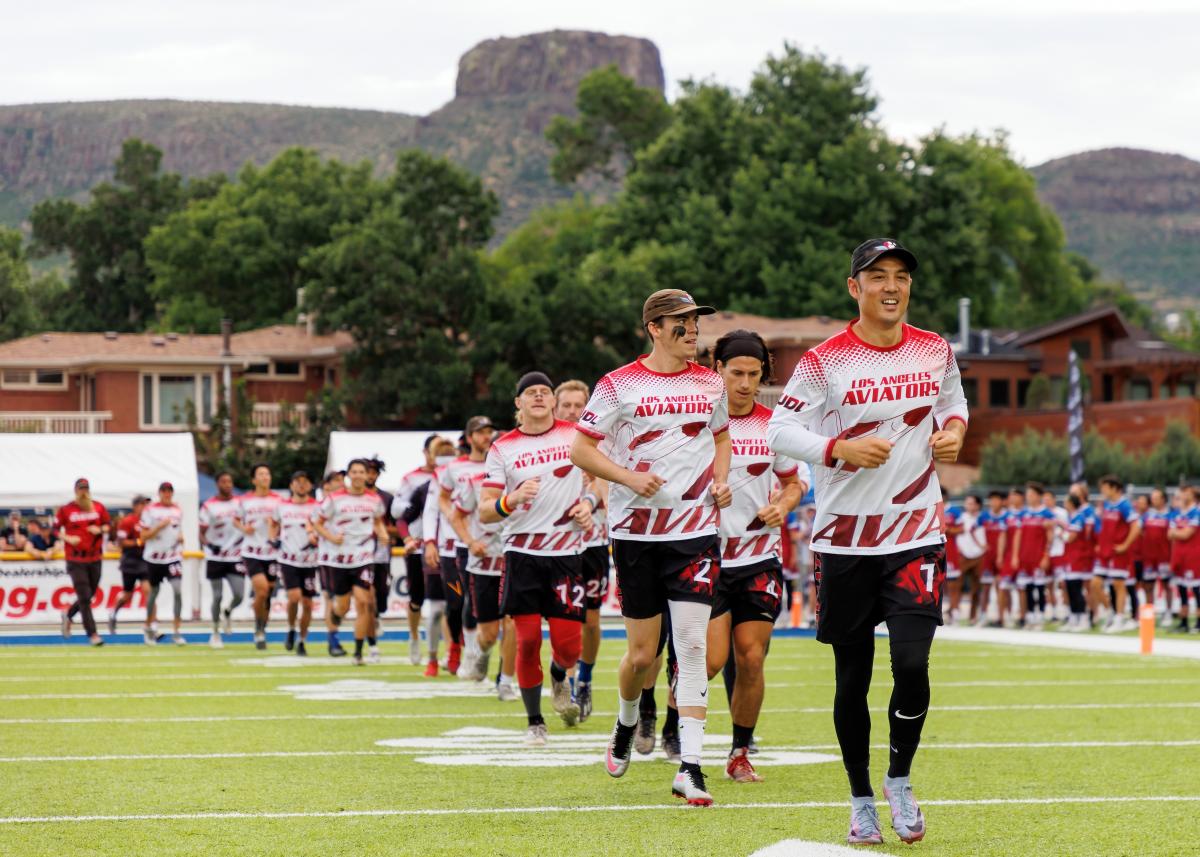
Projected starting O-line: Sam Cook, Pawel Janas, Michael Kiyoi, Sean McDougall, Marcel Osborne, Everest Shapiro, Brandon Van Deusen
This group was probably like a C- earlier this season, so tons of credit to how far they’ve come in Pawel’s first year with the team. As we saw in the Colorado game, they still make some bad mistakes at times, but this offense has found the right balance in how they use the Pawel Janas-Brandon Van Deusen backfield to initiate the downfield attack of the other five guys on the line. Led by Sean McDougall, the downfield cutting core has built the necessary chemistry with the rest of the unit to take advantage of continuation looks, which in turn has taken the pressure off the handlers. They do a great job not over-relying on big plays, while still possessing the playmaking talent to punch with the best in the West.
Grade: B+
Projected starting D-line: Lukas Ambrose, Calvin Brown, Daniel Brunker, Garrett Santi, Zac Schakner, Mitchell Steiner, Kevin Tien
The Lukas Ambrose Experience headlines the Aviators defense, which has added nearly three additional blocks per game this year (9.8, 10th in the league) compared to their 2022 average (6.9, second worst in the league). Kevin Tien came out of nowhere as a midseason addition and shined in LA’s first round playoff game against Colorado, while Daniel Brunker and Calvin Brown have the offensive experience to lead a mean counterattack. Like the offense, this defense has gotten better as the year’s gone on, though they’ll have their toughest test ahead of them this week against the number one offense in the league.
Grade: B+
Minnesota Wind Chill
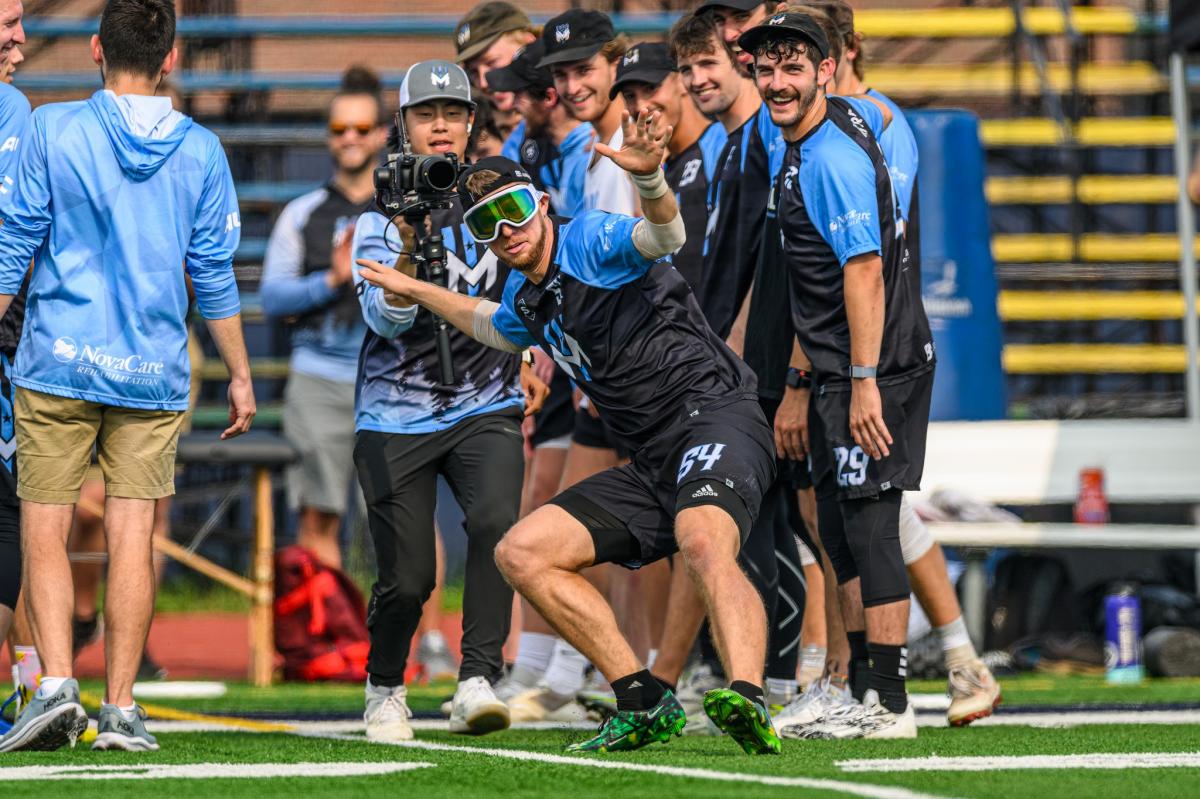
Projected starting O-line: Colin Berry, Will Brandt, Abe Coffin, Josh Klane, Quinn Snider, Jason Tschida, Bryan Vohnoutka
We’ve really only seen this full strength O-line—at least this is my best guess, they could definitely work in Jordan Taylor or Marco Dregni—once this year, and that was their first game of the season against the AlleyCats. It’s been a year of game-to-game lineup adjustments and an ever-changing starting O-line with all the injuries and varying commitments Minnesota has had to manage this year, so this is the hardest line to grade with such a small sample size. Still, it’s a line that boasts the reigning All-Star Game MVP in Abe Coffin, a gunslinging quarterback in Josh Klane, talented midfield hybrids and goal scorers capable of taking over any game.
Grade: B-
Projected starting D-line: Tanner Barcus, Sam Berglund, Bret Bergmeier, Dylan DeClerck, Jimmy Kittlesen, Paul Krenik, Brandon Matis
This Minnesota D-line has been the defining piece of the team this season. Led by Dylan DeClerck and the Ice Bergs (could be a mediocre band name), this is a takeaway-hungry group that has no problem quickly punching in transition goals and igniting scoring runs. Sam Berglund’s pulls set this unit up for success by pinning opponents deep, and then there’s just a wave of spark-plug playmakers that make continual noise on both sides of the disc. They all level up when playing at home in Minnesota with the “eighth man” of the wind on their side, and they’ll have a chance to carry one of the more notable home field advantages into Championship Weekend.
Grade: A
New York Empire
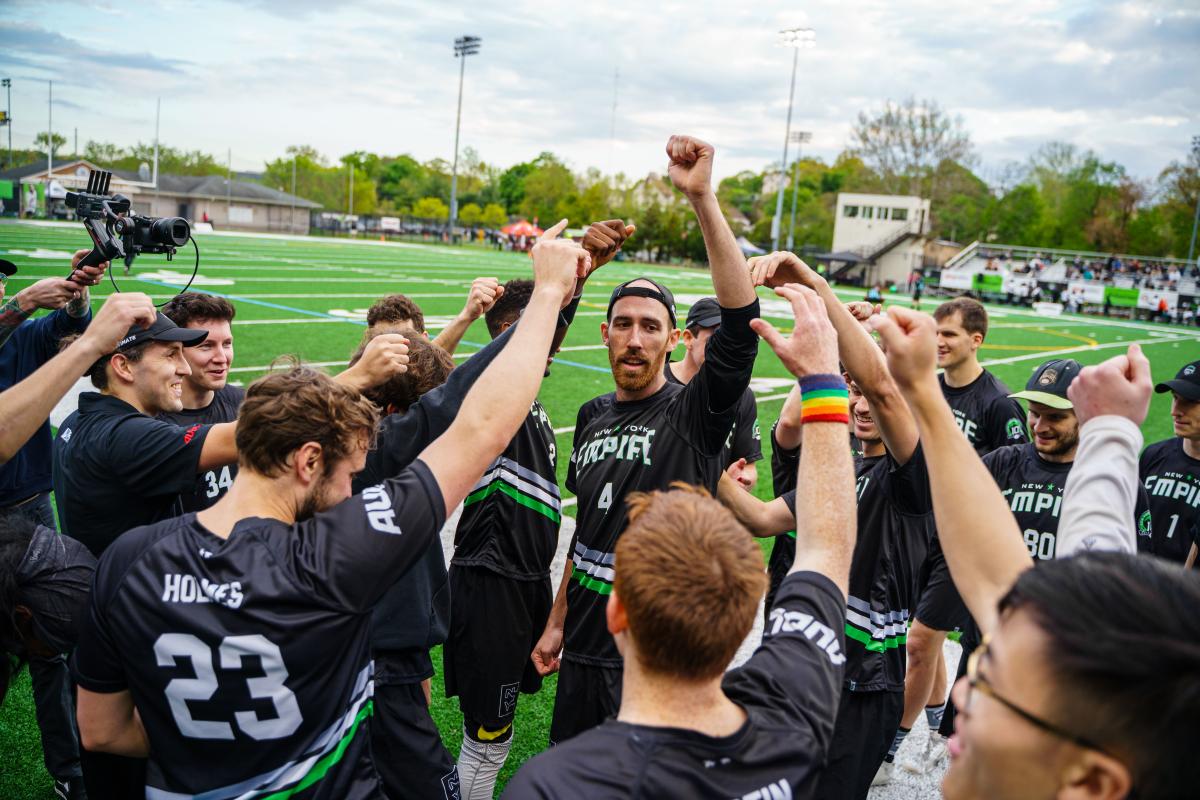
Projected starting O-line: Jeff Babbitt, Elliott Chartock, John Lithio, Ryan Osgar, Solomon Rueschemeyer-Bailey, Charles Weinberg, Jack Williams
What’s there to say at this point, really. There are no weaknesses, there is no way to contain this offense, and they never get rattled. This is the most clutch unit on this list, boasting several First Team All-AUDL talents, arguably the two leading MVP candidates this year, and one of the steadiest handler cores in the league. Good luck to any who try to contain all three of Jeff Babbitt, Ryan Osgar, and Jack Williams.
Grade: A+
Projected starting D-line: Marques Brownlee, Antoine Davis, Ethan Fortin, Ben Jagt, Ben Katz, John Randolph, Bretton Tan
The Empire just held opponents to 14.3 goals per game in the regular season, the lowest per game average allowed in league history. The versatility of this defense with guys like Marques Brownlee and John Randolph running around, paired with the instincts of Ben Katz and Bretton Tan make life incredibly difficult for opposing offenses to say the least, not to mention the menacing presences of two-time MVP Ben Jagt and former All-Star Antoine Davis. Ethan Fortin, alongside Katz and Randolph, helps anchor a patient, yet explosive counterattack, while the guys not listed in this starting seven provide the depth necessary for everyone to give 110 percent on every possession. When it comes to the right mix of depth, schemes, and top-end talent, this could be the best defense in AUDL history.
Grade: A+
Salt Lake Shred
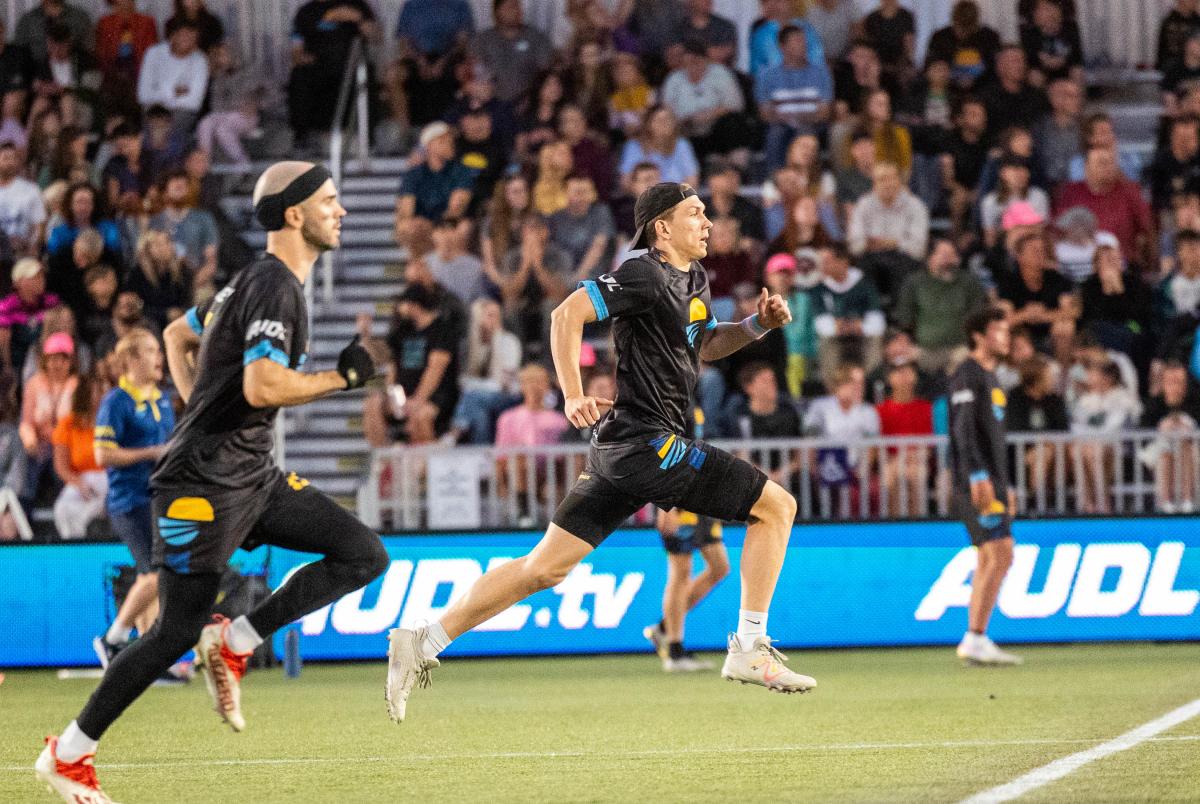
Projected starting O-line: Sean Connole, Jace Duennebeil, Elijah Jaime, Jordan Kerr, Grant Lindsley, Jacob Miller, Luke Yorgason
The most efficient offense in the league this year, the Shred have converted on 65 percent of their offensive possessions this season. It’s the smoothest O-line in the league, with quick decision making, constant motion, and the ability to strike deep at a moment’s notice. The system’s been beautifully crafted around Jordan Kerr, who still handles the bulk of the scoring and remains one of the top red zone threats in the league, but it’s the improvements of every piece around Kerr that has elevated this group to new heights in 2023.
Grade: A+
Projected starting D-line: Joel Clutton, Jonny Hoffman, Nathan Huff, Eugene L’Heureux, Will Selfridge, Kyle Weinberg, Chad Yorgason
Despite the turnover from last year, the Shred D-line remains as imposing as ever in their ability to generate turnovers. Re-adding last year’s Defensive Player of the Year runner-up in Joel Clutton for the playoffs should be a net positive, while guys like Jonny Hoffman, Kyle Weinberg, and Chad Yorgason continue to disrupt passes all over the field. This D-line has been a lot better this year at converting possessions than 2022, though it was the D-line offense that was Salt Lake’s downfall against New York, as they showed some inexperience and took some unnecessary risks. Cutting back on those mistakes while maintaining the defensive intensity they’ve shown all year will give them the inside track to a championship game appearance.
Grade: A-